
How I can help
I specialize in helping people cope with anxiety and addictions. Here are the core goals I can help you achieve in therapy:
Three core skills, personalised to you
-
Skill one
Be Aware
Daily awareness of what triggers your anxiety or cravings.
-
Skill two
Be Willing
Effective responses to your anxiety or cravings.
-
Skill three
Be Inspired
Following your life passions, so you can do the things that matter to you.
On the foundation of a caring, compassionate, and close relationship, we work together on what is most important to you. In our first session, I will be listening carefully to assess your triggers for anxiety or cravings, how you have tried to cope with them, and what your problems have cost you, in terms of relationships, health, work, and other life areas. Together, we will set goals for where you want therapy to take you.
Over the course of our work together, there will be three core skills we are going to work on, with each skill set personalized to you.
Be Aware: Daily Awareness
Both and anxiety and addictions have triggers. They can be people, places, activities, sensations in your body, thoughts in your mind, or emotions. Learning your triggers will open new doors for us:
(1) We will look at how to change the triggers we can change and;
(2) Learn new ways to respond to them when they occur. I will show you some practical skills to keep track of your triggers.
Be Willing: Effective Responses
Once you attain expertise in spotting your triggers, we move onto acquiring a wide variety of skills in how to respond to them more effectively. Often this will entail learning a radically different approach to dealing with anxiety and cravings. As I refer to in my TEDx talk, I call this approach “willingness” and it comes from Acceptance and Commitment Therapy (ACT). Willingness means opening up to, being accepting of, and dropping the struggle with your triggers. Instead of fighting and trying to tamp down your anxiety or cravings, you see that it can actually take less effort to be willing. Most important, you will see that they eventually shift on their own like the ebb and flow of waves on a shore. Learning how to be willing takes daily practice and an openness to trying something that is a little different. As I mention in my TEDx talk, even I was skeptical when I first heard about so any hesitation you have is quite welcome in our conversations. I am going to show you some standard methods for being willing and I am also going to invent some new methods that fit your personal interests, learning style, sense of humor, and other personal strengths. Over the years, I have learned that the most effective skills are the ones created just for you.
Be Inspired: Follow your life passions
Having a broad set of skills for responding well to your triggers opens you up to new possibilities. Passions, hopes, and dreams that previously had been dormant now start to spring up. You are less pre-occupied with having to deal with anxiety and addictions and instead more interested in pursuing deep interests. This is the part of therapy where we work on naming what really really really matters to you: your relationships, health, work, spirituality, etc. Knowing what deeply matters to you will lead us to set up personal life goals, both short and long term. Those goals will lead us develop your weekly action plan. And that action plan will help us see some of the internal and external barriers that might get in your way. The skills you will have learned will be key for helping you overcome those barriers. This brief video shows my Five-Step approach to achieving your goals.
So this helps you see the overall direction your therapy will take together. Within a session, we can weave between these core goals according to your needs. And I say at the start of every session, “What is really important to you that you want us to work on today?” What this means is we tailor the therapy to your needs, to what is deeply important to you. We keep our eyes on the overall direction of your therapy goals while being sensitive and aware of what in your life needs attention right now.
The relief is real. So is the cost.
Anxiety, perfectionism, avoidance, nicotine, alcohol, overeating, compulsive phone use, procrastination — different on the surface, and all of them ways of getting relief from discomfort in the moment.
How I work with you in therapy
Therapy with me is active, practical, and grounded in what matters most to you.
Many of the problems I work with look different on the surface but have something important in common. Anxiety, perfectionism, self-doubt, avoidance, nicotine use, alcohol use, overeating, compulsive phone use, procrastination, and other habits can all become ways of getting relief from discomfort in the moment.
The relief is real. So is the cost.
You may worry because worrying feels like preparing. Avoid because avoiding brings immediate relief. Reach for alcohol, food, your phone, or another habit because it changes how you feel for a little while. The problem is not that these responses make no sense. Usually, they make perfect sense in the short term. The problem is what they begin to cost you over time.
I think of this as a habit bargain. Your mind or your behavior offers you something now, such as relief, certainty, comfort, distraction, stimulation, or escape, in exchange for a cost that often shows up later. Sometimes the bargain looks like putting off a difficult conversation. Sometimes it looks like checking again, worrying more, pouring a drink, eating when you are depleted, scrolling when you meant to sleep, or avoiding something important because anxiety is telling you not to go there.
A major part of therapy is learning to see that bargain more clearly.
We will pay attention not only to what you are thinking and feeling, but to what happens next. What does your mind tell you when anxiety shows up? What do you do when you feel bored, lonely, uncertain, frustrated, ashamed, or afraid? What does that response give you in the moment? And what does it cost you afterward?
This is where acceptance becomes important.
Acceptance does not mean resigning yourself to feeling bad, pretending difficult things do not matter, or giving up on change. It means learning how to make room for uncomfortable thoughts, feelings, sensations, and urges without immediately trying to fix them, avoid them, or wait for them to disappear before you act.
You might learn to notice a worried thought without having to answer it. You might allow anxiety to be present without letting it make the decision. You might notice an urge to smoke, drink, eat, check, scroll, or avoid something without automatically following it. You might stay in a conversation a little longer even when you feel bored or uncomfortable because the relationship matters to you.
These are not just ideas we talk about. We practice them together.
I use Acceptance and Commitment Therapy, or ACT, to help you become more flexible in how you respond to your inner experience. Instead of organizing your life around getting rid of anxiety, uncertainty, cravings, urges, or self-doubt, we work on helping you respond to those experiences differently.
We will also spend time clarifying what you want your life to stand for: the kind of partner, parent, professional, friend, or person you want to be.
Then we make that concrete.
What would caring look like today? What would courage look like in this conversation? What would it mean to allow an urge to rise and fall without obeying it? What would you do differently if you did not have to feel confident first? What is one small action that serves the life you want rather than the relief your mind is asking for right now?
I am an engaged therapist. I listen carefully, but I am not silent or passive. I will ask questions, offer observations, point out patterns, and sometimes slow us down to look closely at what is happening in the moment. I may help you notice when your mind has pulled you into worry, judgment, or a familiar habit loop, and then help you return to what is happening now and what matters most.
I also try to make therapy concrete. If the goal is connection, we may look at what connection actually sounds like: asking a question, listening to the answer, following up, staying present a little longer. If the goal is changing a habit, we may look closely at the moment the urge appears, what it promises you, and how you can make room for that urge while choosing something different.
I will not tell you what major choices to make. My aim is to help you become clearer about what matters, more capable of handling what feels difficult, and freer to make choices that fit the life you want.
The goal is not a life without fear, sadness, uncertainty, boredom, cravings, urges, or self-doubt. It is a life in which those experiences can be present without getting the final say.
The Secret to Self-Control
The TEDxRainier talk where Dr. Bricker sets out the willingness approach he refers to throughout this page.
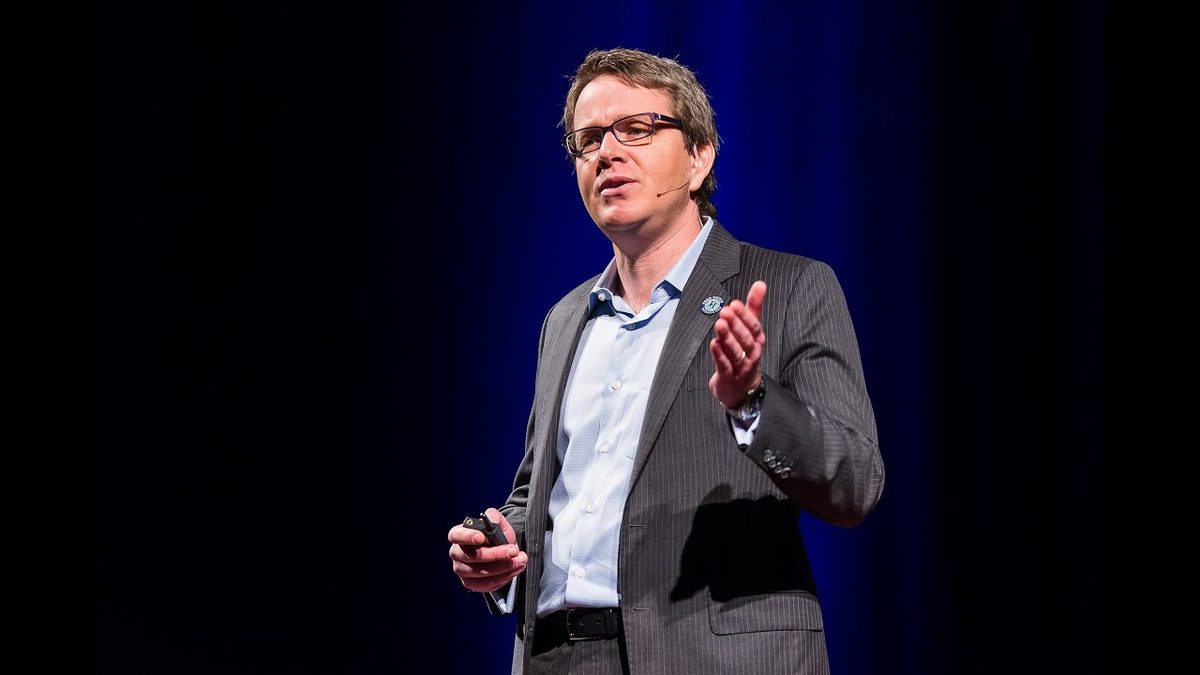
TEDxRainier Over 5 million views · 10 languages Watch on YouTube ↗


Looking for individual support?
Dr. Bricker maintains a private clinical practice in Seattle for anxiety and addictions, separate from his writing and research. Clinical enquiries go directly to the practice and are never added to the newsletter.