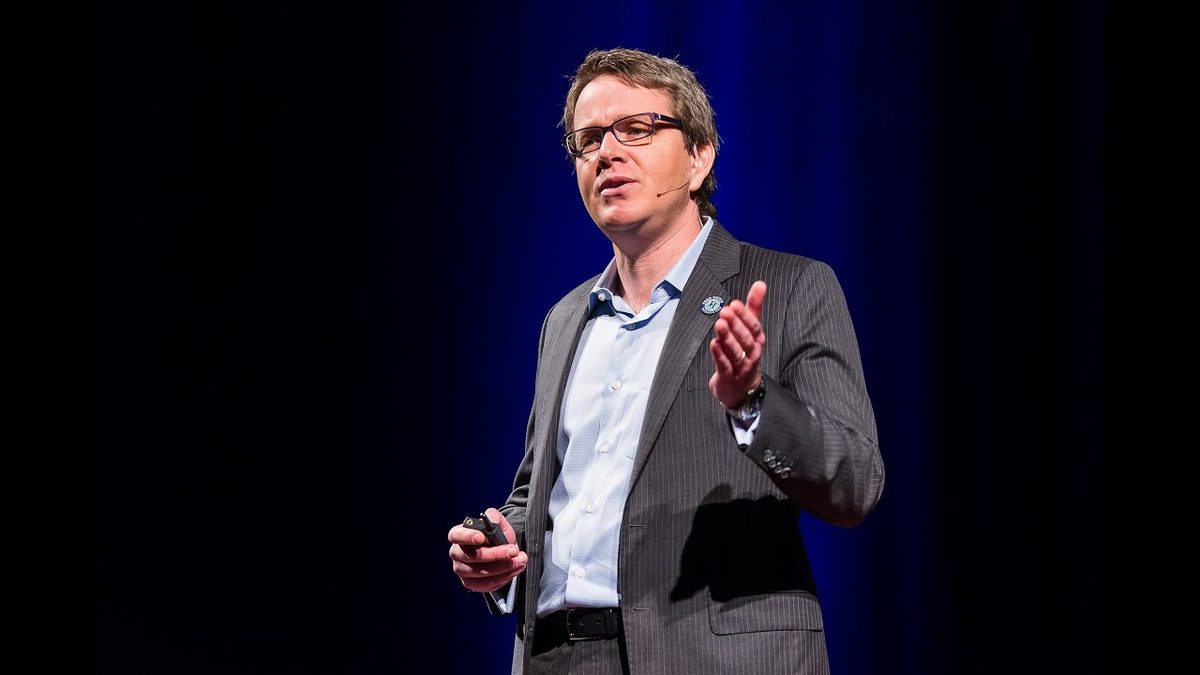







Jonathan Bricker Author · Scientist · Psychologist
The science of everyday change

Understand your habits. Make room for change.

Every habit is a bargain: something it gives you now, something it costs you later. Learn to see the trade you are actually making — and choose differently, without forcing yourself.

Looking for therapy? Visit the private practice →
Jonathan Bricker seated on granite beside an alpine lake.
Jonathan Bricker, PhD
Psychologist and behavioural scientist · Fred Hutchinson Cancer Center

Affiliations and research funding

  • Fred Hutchinson Cancer Center
  • University of Washington
  • National Institutes of Health
  • Association for Contextual Behavioral Science
  • National Cancer Institute
  • TEDxRainier
The framework

Every habit is a bargain.

A habit is never irrational. It persists because it pays — relief, a lift, a break from something uncomfortable. That payoff is real, and it arrives immediately. The cost arrives later, quietly, and usually to something you care about more.

More than two decades of research into acceptance and commitment therapy point somewhere unexpected: you do not break a habit by fighting the urge harder. You break it by seeing the bargain clearly enough that a different choice becomes available.

Recognise the trade

Does this feel familiar?

Three ordinary moments, and the bargain hidden inside each one.

Checking your phone without meaning to

Cue — a pause, a lull, a flicker of boredom

A hand holding a phone in a sunlit living room.
What it gives you

A quick hit of connection, and release from the discomfort of an empty moment. It works. That is precisely why it repeats.

What it costs you

The attention you meant to give something else, and the sense at the end of the day that the hours went somewhere you did not choose.

Putting off the difficult work

Cue — a task you cannot see the first step of
An open laptop and a mug on a bright desk.
What it gives you

Immediate relief. The dread lifts the moment you decide to start tomorrow, and the rest of the day becomes survivable again.

What it costs you

The deadline arrives regardless, carrying more dread than the work ever did — and evidence, to yourself, that you are someone who avoids.

Snacking when you are depleted

Cue — late afternoon, after something hard
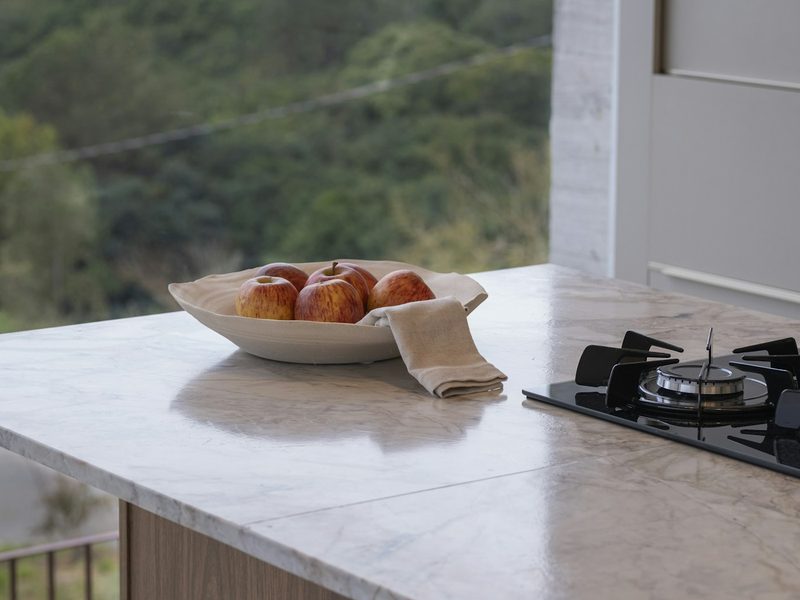
A bowl of fruit on a kitchen counter.
What it gives you

A genuine lift, and a few minutes that feel like being looked after. On a hard day that is not nothing.

What it costs you

It answers the wrong hunger. What was actually needed — rest, company, an end to the day — goes unmet, so the need returns tomorrow.

Jonathan Bricker on the Great Wall of China in falling snow.
The author

Jonathan Bricker, PhD

A psychologist and behavioural scientist whose research asks a practical question: what actually helps a person change a habit that has not moved in years? His work brings acceptance and commitment therapy out of the clinic and into ordinary life.

  • PositionProfessor and Endowed Chair in Cancer Prevention, Fred Hutchinson Cancer Center
  • AffiliationFounding member, Science Council, Association for Contextual Behavioral Science
  • SpeakingTEDxRainier — The Secret to Self-Control
  • PracticePrivate clinical practice, Seattle — anxiety and addiction

By the numbers

The research behind the writing.

  • $35M+ in National Institutes of Health funding awarded to his research programme
  • 2,510 people enrolled in his largest randomised controlled trial
  • 5M+ views of his TEDxRainier talk, The Secret to Self-Control
  • 10 languages the talk has been translated into

Jonathan Bricker, PhD

The Habit Bargain

Why Bad Habits Feel Good—and Cost So Much

Coming October 2027 · Distributed by Penguin Random House

Why bad habits feel good — and cost so much.

You know the costs. So why does the same choice keep winning? Drawing on more than two decades of research and clinical practice, The Habit Bargain explores the moment a familiar habit becomes irresistible — and teaches the skill at the heart of change: unhooking.

  • See the bargain behind a habit you have had for years
  • Recognise the cue in the seconds before you act
  • Make room for an urge instead of fighting it
  • Build a change that survives the week it stops feeling new
Read an excerpt →
Free worksheet

What's your habit bargain?

One page, three questions. Name the cue, the payoff you are actually getting, and the cost you are actually paying. Most people find the exercise uncomfortable and clarifying in roughly equal measure.

Your email address is safe. No spam, and you can unsubscribe at any time. One letter every few weeks on habits, self-control and the research behind them.

An open notebook and pen on a warm wooden desk.
Free with the newsletter

What's Your Habit Bargain?

A one-page worksheet · three questions

1The cue — what sets it off
2The immediate payoff — what you get
3The longer-term cost — what it takes
Jonathan Bricker, PhDdrbricker.com

Looking for individual support?

Dr. Bricker maintains a private clinical practice in Seattle for anxiety and addiction, separate from his writing and research. Clinical enquiries go directly to the practice and are never added to the newsletter.

Visit the private practice →